Event Will Start In

About SE4FP 2026

2nd Workshop on Software Engineering for Functional Programming

Although functional programming languages are not yet as popular as object-oriented ones, their growing relevance in the industry has become increasingly evident in recent years. However, the application of software engineering techniques to systems built with these languages remains underexplored in academia, leaving many open questions to be investigated.

In this context, the 2nd Workshop on Software Engineering for Functional Programming (SE4FP 2026) represents an excellent opportunity to bridge this gap. The event aims to create a space where members of academia and industry can share and discuss experiences, best practices, tools, and research related to applying software engineering principles to systems developed with functional programming languages. In addition to fostering relevant discussions, the workshop seeks to serve as a bridge for establishing collaborations between research groups and between academia and industry, opening up new opportunities for investigation.

In 2026, SE4FP is co-located with the 17th Brazilian Conference on Software: Theory and Practice (CBSoft 2026).

CBSoft 2026

The main goal of this workshop is to promote broad and diverse discussions on the application of software engineering to functional programming. More specifically, it aims to:

  • •    Attract more researchers interested in related topics, helping to build and strengthen the Brazilian community working in this area;
  • •    Discuss the challenges of using functional programming languages in production systems;
  • •    Assess the compatibility and applicability of studies conducted on object-oriented systems in the context of functional systems;
  • •    Promote best engineering practices and tools specifically designed for systems implemented with functional programming languages.

Registration:

Registrations for SE4FP are handled by CBSoft. Please refer to the CBSoft 2026 website for further details.

Location:

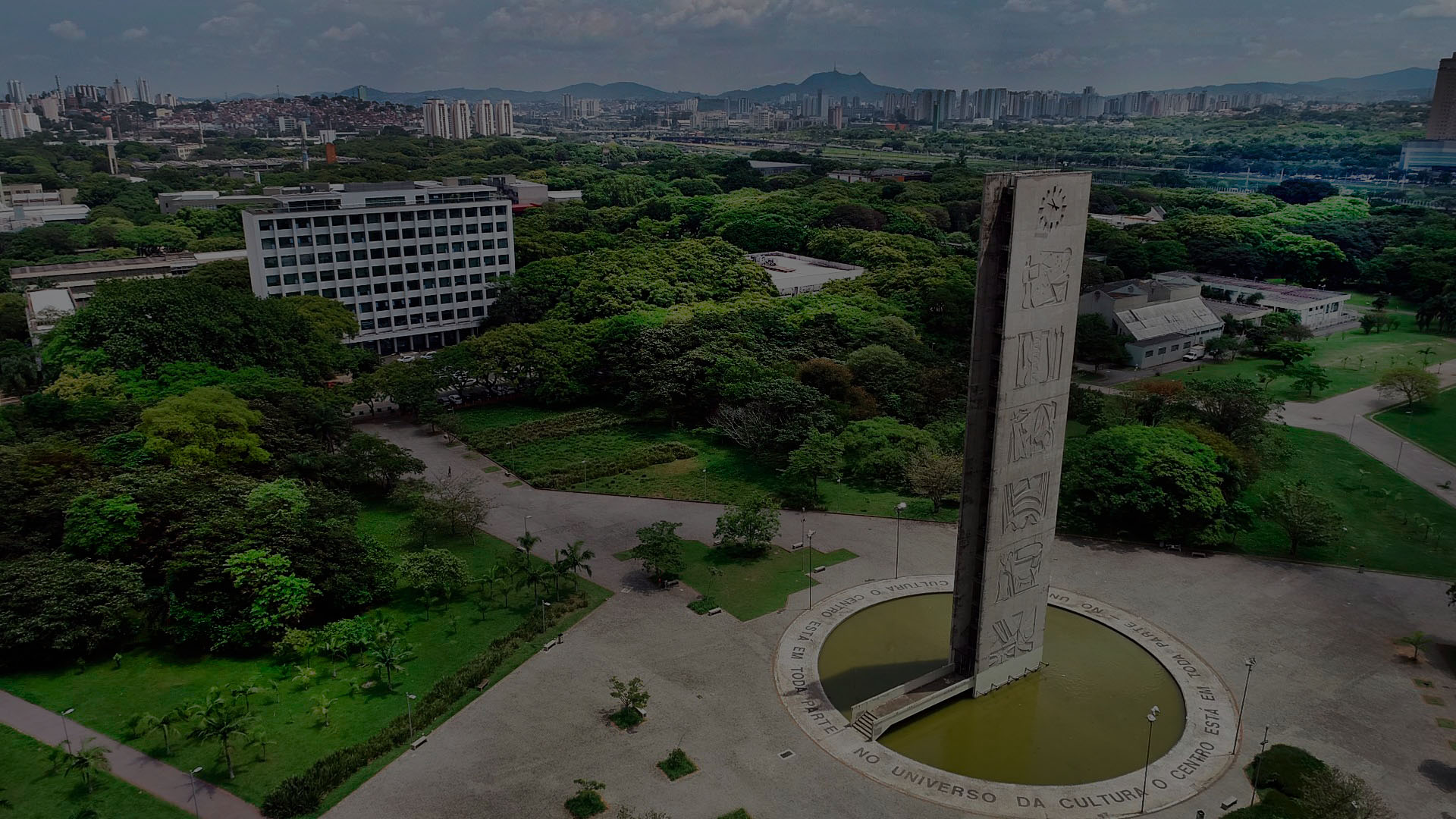
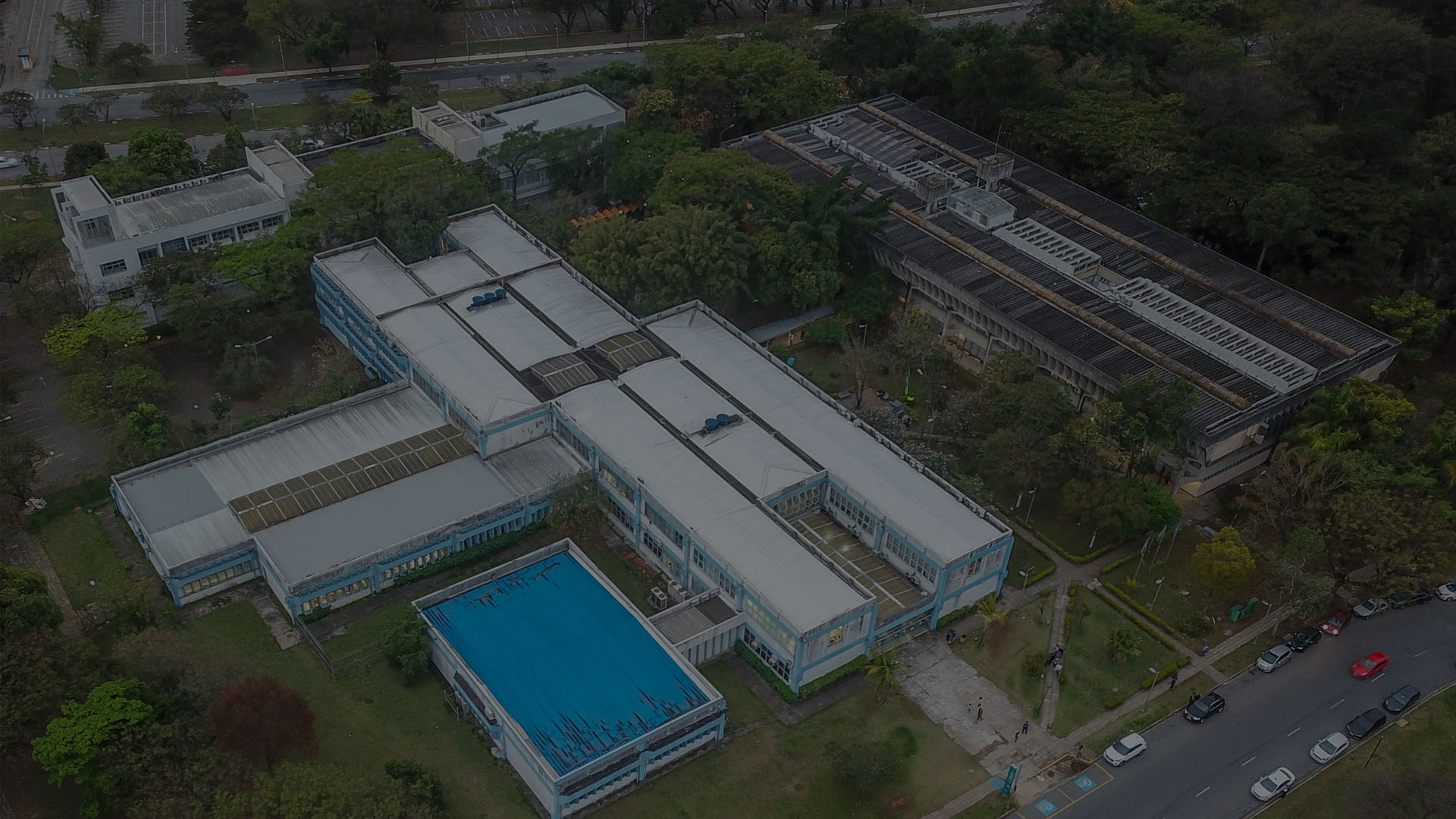
Instituto de Matemática, Estatística e Ciência da Computação (IME-USP) – São Paulo, SP


View larger map

Instituto de Matemática, Estatística e Ciência da Computação (IME-USP)

São Paulo, SP (Brazil)

September 08, 2026

14:00 PM – 18:30 PM

100 Available Seats

Hurryup!

Free Coffee break

Don’t miss it

Call for Papers

2nd Workshop on Software Engineering for Functional Programming

Topics of Interest:

SE4FP provides a forum where researchers and practitioners from academia and industry can present and discuss software engineering research, as long as it is investigated in the context of functional programming languages. Topics of interest include, but are not limited to:

  • •    Static and dynamic software analysis
  • •    Economic, human, and social aspects of Software Engineering
  • •    Automation of Software Engineering tasks using LLMs and other foundational models
  • •    Code smells and technical debt
  • •    Software design and architecture
  • •    Software ecosystems
  • •    Prompt engineering for Software Engineering
  • •    Requirements engineering
  • •    Teaching software engineering and functional programming in an integrated way
  • •    Industry experience in software development
  • •    Tool support for software development
  • •    Software deployment
  • •    Code readability and clarity
  • •    Software maintenance, reengineering, and evolution
  • •    Software metrics
  • •    Software migration and renovation (e.g., changing programming paradigm)
  • •    Mining software repositories
  • •    Software refactoring and restructuring
  • •    Software reuse
  • •    Replication of classical Software Engineering studies (e.g., design patterns for a functional language)
  • •    Software testing
  • •    Software quality
  • •    Software validation and verification

Papers presenting studies, tools, datasets, or innovative ideas are welcome. Experimental evaluation of new tools and ideas is desirable, but it is not a precondition to submitting a paper to the workshop. SE4FP encourages the submission of research in progress and preliminary results.

Important Dates:

All dates refer to midnight 23:59:59 AoE

Paper registration: July 3, 2026   July 10, 2026
Paper submission: July 10, 2026
Author notification: August 3, 2026
Camera-ready: August 10, 2026
Workshop date: September 8, 2026

Reviewing Process:

The workshop proceedings will be published as part of the CBSoft 2026 proceedings and made available online in SBC's Digital Library (SOL). The number of papers accepted for the event will be determined based on the final program and the quantity and technical quality of the submissions received.

The review process will follow a double-blind methodology. Therefore, both authors and reviewers must take the necessary steps to preserve anonymity. Each submitted paper will be reviewed by at least three members of the program committee, composed of professors and researchers from various areas of Computer Science whose expertise aligns with the workshop topics. This committee will include professionals from both national and international institutions.

The selection of papers will be based on the following criteria:

  • •    Originality and Timeliness
  • •    Contribution and Technical Soundness
  • •    Relevance to Software Engineering for Functional Programming
  • •    Methodological Rigor
  • •    Verifiability, Transparency, and Replicability
  • •    Readability, Organization, and Presentation

Although not mandatory, we encourage authors to provide replication or artifact packages. This will also be considered a positive aspect by reviewers when recommending acceptance.

Submissions will be desk-rejected and not sent for review if they:

  • •    Are out of scope of the workshop's call for papers;
  • •    Have been previously published in another venue or journal;
  • •    Do not follow the required formatting guidelines; or
  • •    Do not comply with the anonymization rules of the double-blind review process.

Submission Guidelines:

Authors must submit original work that has not been published elsewhere nor is currently under review. Papers for the SE4FP 2026 may be written in Portuguese or English, with papers in English providing greater international visibility.

Submissions must be in Adobe Portable Document Format (PDF) and must strictly adhere to the template, which is also available for download. It is important to note that although this template is an adaptation of the ACM conference format, the original template (ACM_SigConf) must not be used. This same adapted template will be used across all symposia and workshops that are part of CBSoft 2026.

To ensure double-blind anonymization during the initial submission and review process, authors must include the anonymous option in the document preamble:

\documentclass[sigconf,anonymous]{acmart}

For all SE4FP 2026 Tracks, the following command containing the event information must also be used:

\acmConference[SE4FP 2026]{2nd Workshop on Software Engineering for Functional Programming}{September 8, 2026}{São Paulo, SP, Brazil}

All authors are advised to carefully review the checklist available at the end of the samples/cbsoft-acm-like.tex file to ensure that their papers comply with the template and the provided instructions.

In this edition, the workshop will accept two types of submissions:

  • Research papers (Max. 5 pages + 1 page for references) - we welcome submissions of research and experience papers that present original contributions, novel approaches, or preliminary results in the field of Software Engineering as applied to functional programming languages. Submissions should clearly present the problem being addressed, the proposed solution or findings, and their relevance to the software engineering and functional programming communities.

  • Industry papers (Max. 3 pages + 1 page for references) - we invite developers to submit works focused on real-world experiences applying Software Engineering practices to code written in functional programming languages currently in production — including testing strategies, tools, architectures, methodologies, design decisions, development processes, specific challenges faced, and more. In other words, we are interested in experience reports that describe what developers of production-level code written in functional languages have been learning in practice. If you're unfamiliar with writing academic papers or their typical structure, we recommend reading papers accepted in the industry tracks of other conferences. This will help you get a feel for the format and find inspiration. For example, the papers accepted in the industry track of SE4FP 2025 are publicly available at the following link, making them an excellent starting point.

It is important to note that it is possible to submit papers with fewer pages than the limits of each track. All papers must be submitted electronically in PDF Format through JEMS.

IMPORTANT CLARIFICATION: Papers submitted to SE4FP may focus on software engineering applied to systems developed using either functional programming languages (e.g., Elixir, Erlang, Clojure, Haskell, etc.) or multi-paradigm languages (e.g., Python, JavaScript, Java, Rust, etc.), provided they place strong emphasis on functional programming features, such as list comprehensions, pattern matching, higher-order functions, pure functions, immutability, among others.

Authors must ensure their identities are not disclosed during the double-blind review process. This means that names and institutional affiliations should not appear on the title page or in the headers of the submission. Additionally, any self-citations should be written in the third person. If you plan to submit any supplementary artifacts, they should also be anonymized. Tools are available to assist with this, such as Anonymous GitHub, an open-source solution designed to help anonymize GitHub repositories efficiently. The SE4FP strongly encourages authors to make their artifacts publicly accessible. However, suppose authors prefer to avoid the risk of compromising anonymity during the review. In that case, they may include links to these artifacts in the camera-ready version, should the paper be accepted.

Ethics and Publication Conduct

All submitted papers must comply with the Code of Conduct for Authors in Publications of the Brazilian Computer Society (SBC).

On the use of AI (Artificial Intelligence) or AI-assisted technologies:

When submitting to SE4FP 2026, the authors acknowledge that they comply with the Generative AI usage policy, based on existing policies proposed by IEEE, ACM, and Springer.

  • It is forbidden to:
  • •    List Generative AI tools and technologies, such as ChatGPT, as authors of works;
  • •    Use texts or sections entirely produced by generative AI tools

  • It is allowed (with explicit disclosure in the acknowledgments) to:
  • •    Use generative AI tools to create parts of the content, with disclosure in the paper acknowledgments indicating what was generated and which tool was used. It is important to check the terms of use of the tool, which is the responsibility of the authors. For example, in the acknowledgments, you can use: ChatGPT was used to generate the first paragraph of Section 3 and to generate Table 3.2.

  • It is allowed (no need to mention):
  • •    Use AI or AI-assisted technologies to improve the quality of images in terms of contrast and clarity;
  • •    Utilize generative AI tools to edit and improve the quality of your existing text (similar to an assistant like Grammarly to improve spelling, grammar, punctuation, clarity, and engagement).

Presentation and Publication:

Once a paper is accepted, its authors will be required to prepare the final (camera-ready) version for publication. Additionally, at least one of the authors must register for the event and present the paper during the SE4FP 2026 workshop.

Program Committee Chairs:

  • •    Maria Claudia Emer - Universidade Tecnológica Federal do Paraná (UTFPR)
  • •    Michel Albonico - University of Southern Denmark (SDU)

Program Committee:

  • •    Adolfo Neto (UTFPR)
  • •    Alcides Fonseca (Universidade de Lisboa)
  • •    Fernando Castor (University of Twente)
  • •    Francisco Heron de Carvalho Junior (UFC)
  • •    João Brunet (UFCG)
  • •    Leonardo Lucena (IFRN)
  • •    Lucas Vegi (UFV)
  • •    Marco Tulio Valente (UFMG)
  • •    Simon Thompson (University of Kent)

Accepted Papers

2nd Workshop on Software Engineering for Functional Programming

Research papers

  • Code Smells in Functional Programming: Initial Findings from a Grey Literature Review on Clojure
  • Author(s): Walber Araújo (UFCG), José Neto (UFCG), Lucas Vegi (UFV), Marco Tulio Valente (UFMG), João Brunet (UFCG)

  • Mapeando a BEAM: Um Censo Global de Nós Erlang Expostos na Internet
  • Author(s): Fernando Areias (UTFPR), Ana Cristina B. Kochem Vendramin (UTFPR), Adolfo Gustavo Serra Seca Neto (UTFPR)

  • Characterizing the Adoption of Autonomous Coding Agents in Functional Programming Repositories
  • Author(s): Kayre Bianca de Oliveira Mendes (IFPR), Jailton Coelho (IFPR)

  • Towards LLM-Based Detection of Elixir Code Smells: An Empirical Evaluation
  • Author(s): Mateus Dias (UFV), Lucas Vegi (UFV)

  • Detecting Code Smells in Elixir Using Metrics and Predicates for Functional Programming
  • Author(s): Erick Soares de Souza (UFMG), João Marcelo Freitas de Almeida (UFMG), Marco Tulio Valente (UFMG), Mateus Dias (UFV), Lucas Vegi (UFV)

Industry papers

  • From JavaScript to Elixir: Lessons from Reimplementing an Industrial Home Care System
  • Author(s): Ricardo Ferreira (UFV), Lucas Vegi (UFV)

  • Towards Evidence-Based Mobile Technology Migration: Evaluating Native and Cross-Platform Solutions in a Case Study
  • Author(s): Mateus Oliveira (UFV), Lucas Vegi (UFV)

  • Eparch: Máquinas de Estado Estaticamente Tipadas em Gleam
  • Author(s): Marcos Benevides (UFMA), Fernando Areias (UTFPR), Adolfo Gustavo Serra Seca Neto (UTFPR)

Esquenta SE4FP 2026

As a way to start engaging the audience ahead of our in-person gathering in September, we kicked off the SE4FP Warm-up on May 05, 2026. The Warm-up — Esquenta in Portuguese — consists of a series of free online talks, held in either Portuguese or English, covering topics related to Software Engineering for Functional Programming. Watch all the talks on our YouTube Playlist.

SE4FP Warm-up 2026

Scheduled Talks:

  • •    September 01, 2026 - 06:00 PM (UTC-3): "Mind the gap - Linking refactorings and code smells in Elixir" by Lucas Vegi. [Live]

Talks Already Held:

  • •    May 05, 2026: "Beyond Programming Paradigms" by Luciano Ramalho [Video]
  • •    June 08, 2026: "Entendendo, Detectando e Refatorando Code Smells em Clojure" por João Brunet [Video]
  • •    June 15, 2026: "Testes em camada usando Clojure" por Lucas Cavalcanti [Video]
  • •    July 28, 2026: "Inteligência Artificial (IA) em Engenharia de Software (o lado ruim)" by Adolfo Neto [Video]

Agenda

The event program will include the following activities:

Nesta palestra, será apresentada uma imersão no dia a dia de engenharia do Nubank sob a perspectiva do código. A apresentação abordará como o uso do REPL em Clojure alavanca a produtividade dos times, a forma como os serviços são organizados e a lógica por trás da premissa de evitar rodar aplicações localmente para incentivar o desenvolvimento orientado a testes (TDD). Para fechar, será exibido como as ferramentas atuais de IA estão integradas ao fluxo de trabalho para potencializar o desenvolvimento em escala.

Mini bio do Mario: Começou a criar sites aos 11 anos e não parou mais! Hoje, com mais de 10 anos de experiência, é Staff Software Engineer no Nubank, Google Developer Expert e GitHub Star. Já palestrou em grandes eventos como BrazilJS, ajudou a resolver bugs no Google Chrome e criou o canal DevSoutinho, com mais de 90k inscritos.

Location: IME-USP – São Paulo, SP (B10 room - Dennis Ritchie).

*Time for each paper: (Presentation: 10 min | Discussion: 3 min)

** [IP]: Industry Paper [RP]: Research Paper


15:00pm - 15:15pm. From JavaScript to Elixir: Lessons from Reimplementing an Industrial Home Care System

Authors: Ricardo Ferreira (UFV) and Lucas Vegi (UFV) - [IP]


15:15pm - 15:30pm. Mapeando a BEAM: Um Censo Global de Nós Erlang Expostos na Internet

Authors: Fernando Areias (UTFPR), Ana Cristina B. Kochem Vendramin (UTFPR), and Adolfo Neto (UTFPR) - [RP]


15:30pm - 15:45pm. Code Smells in Functional Programming: Initial Findings from a Grey Literature Review on Clojure

Authors: Walber Araújo (UFCG), José Neto (UFCG), Lucas Vegi (UFV), Marco Tulio Valente (UFMG), and João Brunet (UFCG) - [RP]


15:45pm - 16:00pm. Characterizing the Adoption of Autonomous Coding Agents in Functional Programming Repositories

Authors: Kayre Bianca de Oliveira Mendes (IFPR) and Jailton Coelho (IFPR) - [RP]


Location: IME-USP – São Paulo, SP (B10 room - Dennis Ritchie).
Coffee break offered by CBSoft 2026.

Location: IME-USP – São Paulo, SP (B10 room - Dennis Ritchie).
*Time for each paper: (Presentation: 10 min | Discussion: 3 min)

** [IP]: Industry Paper [RP]: Research Paper


16:30pm - 16:45pm. Eparch: Máquinas de Estado Estaticamente Tipadas em Gleam

Authors: Marcos Benevides (UFMA), Fernando Areias (UTFPR), and Adolfo Neto (UTFPR) - [IP]


16:45pm - 17:00pm. Detecting Code Smells in Elixir Using Metrics and Predicates for Functional Programming

Authors: Erick Soares de Souza (UFMG), João Marcelo Freitas de Almeida (UFMG), Marco Tulio Valente (UFMG), Mateus Dias (UFV), and Lucas Vegi (UFV) - [RP]


17:00pm - 17:15pm. Towards Evidence-Based Mobile Technology Migration: Evaluating Native and Cross-Platform Solutions in a Case Study

Authors: Mateus Oliveira (UFV) and Lucas Vegi (UFV) - [IP]


17:15pm - 17:30pm. Towards LLM-Based Detection of Elixir Code Smells: An Empirical Evaluation

Authors: Mateus Dias (UFV) and Lucas Vegi (UFV) - [RP]


Location: IME-USP – São Paulo, SP (B10 room - Dennis Ritchie).
A partir da minha experiência com a adoção e evolução de sistemas em Elixir em produção, vou discutir uma questão central: o que acontece depois que uma linguagem funcional passa a fazer parte de um sistema em produção? A partir dessa pergunta, abordarei desafios relacionados à evolução do código, à entrada de novas pessoas desenvolvedoras no projeto, às dependências, à infraestrutura e ao equilíbrio entre evolução e manutenção. Também vou discutir como decisões técnicas tomadas durante o desenvolvimento podem facilitar ou dificultar a evolução do sistema ao longo do tempo.

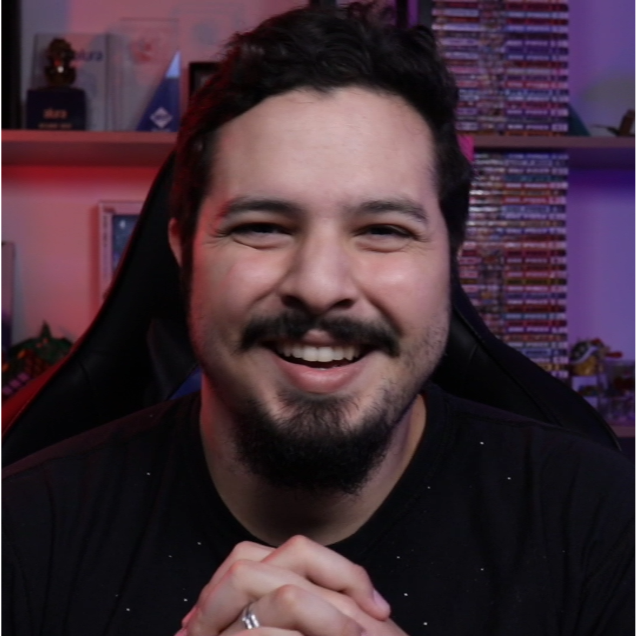
Mini bio da Elaine: Engenheira de software com mais de 18 anos de experiência, apaixonada por construir sistemas confiáveis e escaláveis e por promover excelência técnica. Tem interesse especial por arquitetura de software, sistemas distribuídos, qualidade de software, evolução de sistemas e liderança técnica, com experiência principalmente em Ruby e Elixir e em programação funcional. Atualmente, é Staff Software Engineer em uma empresa que opera um marketplace de revenda de produtos de luxo. É coorganizadora do workshop Rails Girls São Paulo e do meetup Elixir São Paulo.

Location: IME-USP – São Paulo, SP (B10 room - Dennis Ritchie).

"Execution in the Kingdom of Nouns" é aquele texto que todo mundo cita e quase ninguém leu. Nele, Steve Yegge mostra o mundo Java onde o verbo não tem passaporte: para agir, precisa se disfarçar de substantivo. A questão é que muita gente fugiu daquele reino e levou os substantivos na bagagem. FazedorDeCoisa.call() aparece com uma frequência constrangedora em código funcional. Esta é uma lightning talk sobre o que acontece quando a unidade de organização do programa passa a ser o que ele faz, e não uma taxonomia do que as coisas são: o koan de Qc Na ("objetos são closures de pobre"), padrões de projeto evaporando, e hierarquia de compile-time perdendo pra composição. No final não tem moral da história — tem (possivelmente) música e um convite a soltar o verbo e a imaginação.

Mini bio do Renan: Engenheiro de Software profissional atuando com Elixir e programação funcional a mais de uma decada, ja palestrei em eventos nacionais e internacionais falando sobre o tema.

Location: IME-USP – São Paulo, SP (B10 room - Dennis Ritchie).
Join us for the Best Paper and Best Reviewer awards, PragProg book giveaways, and the announcement of plans for SE4FP 2027.

Location: IME-USP – São Paulo, SP (B10 room - Dennis Ritchie).
Who's Speaking?

Mario Souto

Staff Software Engineer at Nubank

Elaine Naomi Watanabe

Staff Software Engineer at TheRealReal

Renan Ranelli

Senior Software Engineer at Automatiq

All Speakers

Organization

Adolfo Neto

Universidade Tecnológica Federal do Paraná (UTFPR)

Lucas Vegi

Universidade Federal de Viçosa (UFV)

Marco Tulio Valente

Universidade Federal de Minas Gerais (UFMG)

Michel Albonico

University of Southern Denmark (SDU)

Maria Claudia Emer

Universidade Tecnológica Federal do Paraná (UTFPR)

Sponsors

Contact

If you have any questions regarding manuscript preparation or about the event in general, please do not hesitate to send an email to se4fpworkshop@gmail.com.